Dry Vacuum vs. Oil-Lubricated Vacuum: Environmental Impact

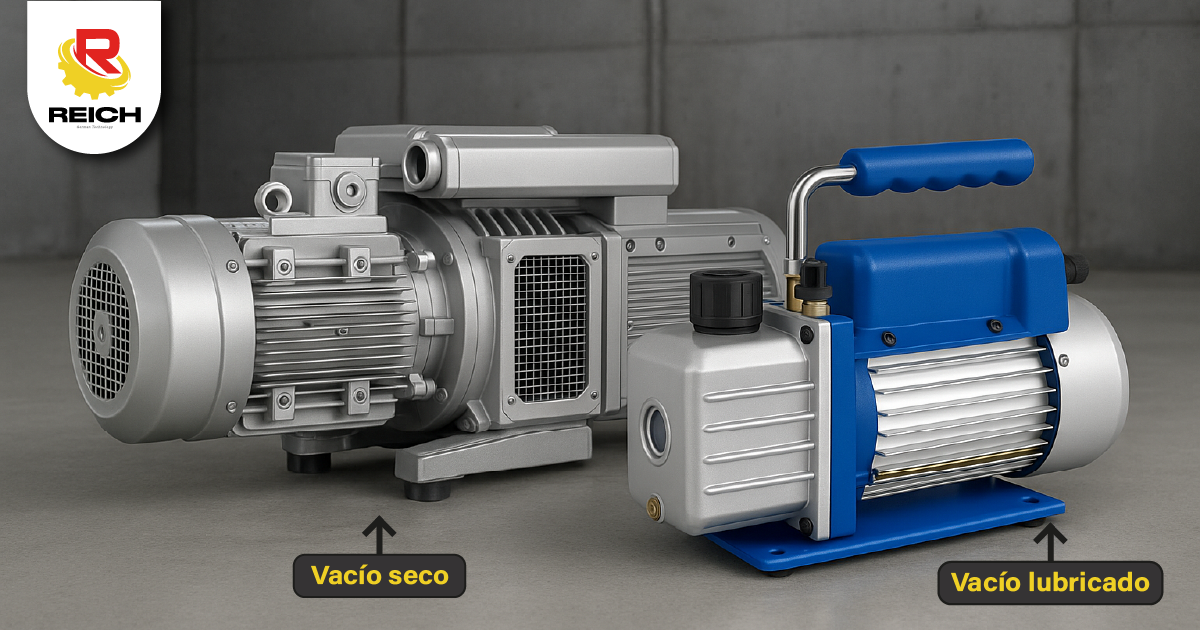
In today’s modern industry, sustainability is a key factor when selecting equipment. Vacuum pumps, essential in many production processes, also have an environmental impact that cannot be overlooked. In this article, we explain the differences between dry vacuum and oil-lubricated vacuum technologies and how choosing the right system can help you reduce your ecological footprint.
Oil-lubricated vacuum pumps
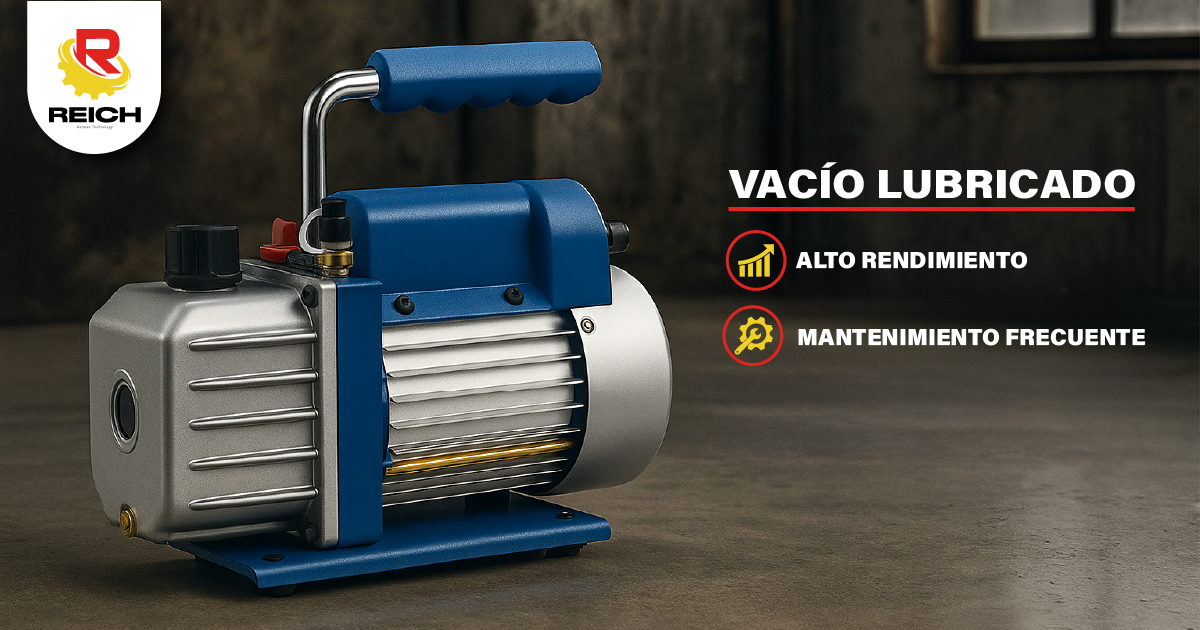
Oil-lubricated vacuum pumps use oil to seal and cool the system, allowing them to reach high performance levels. They are reliable and widely used in industries such as thermoforming, packaging, and HVAC. However, this technology generates contaminating liquid waste and requires frequent maintenance, which increases both environmental and operational costs.
Dry vacuum pumps
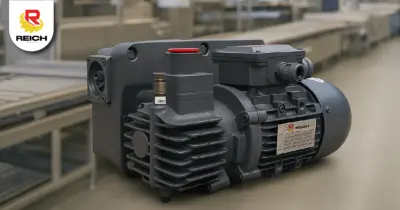
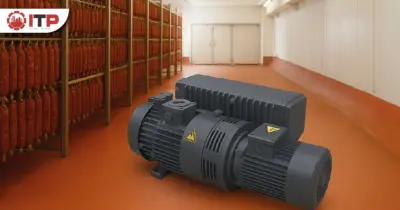
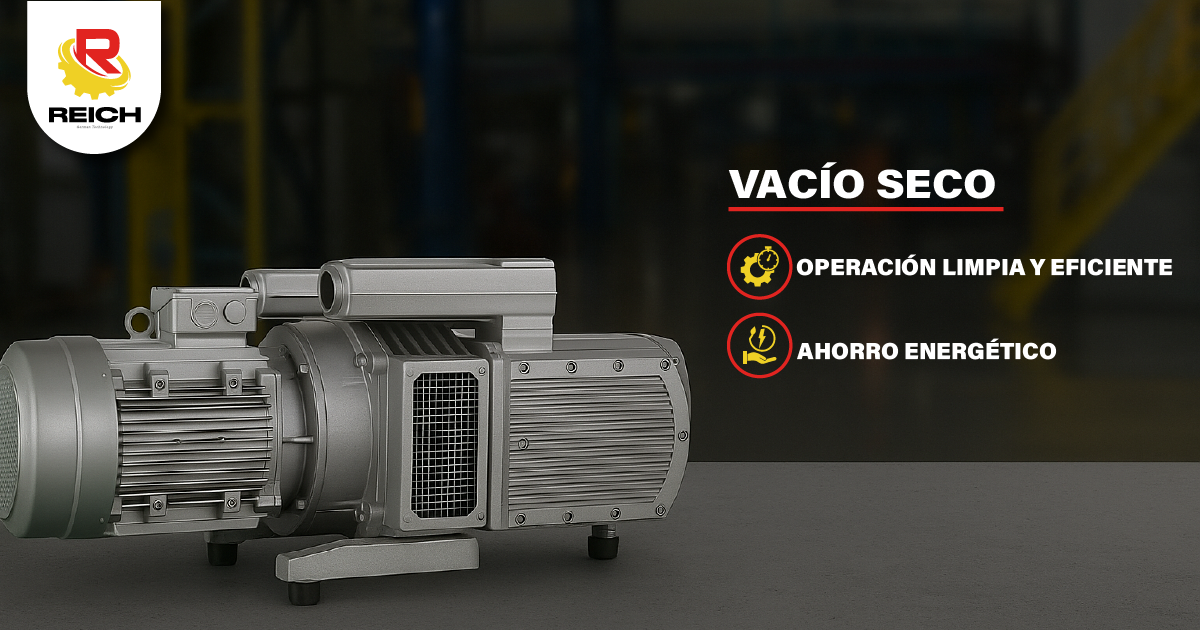
On the other hand, dry vacuum pumps operate without oil, ensuring a cleaner and more sustainable process. By eliminating oil use, they minimize waste generation, reduce energy consumption, and require less maintenance. These advantages make them ideal for pharmaceutical, food, and chemical industries, where clean and efficient processes are essential.
The difference between both technologies is clear. While oil-lubricated vacuum systems remain traditional and effective, dry vacuum systems emerge as a modern and sustainable alternative. By eliminating oil use, companies can reduce waste and significantly lower their carbon footprint.
Choosing dry vacuum technology not only improves operational efficiency but also helps protect the environment. It’s a smart decision for companies seeking productivity and sustainability.