Energy Consumption in Vacuum Pumps: How to Reduce Costs in Your Plant

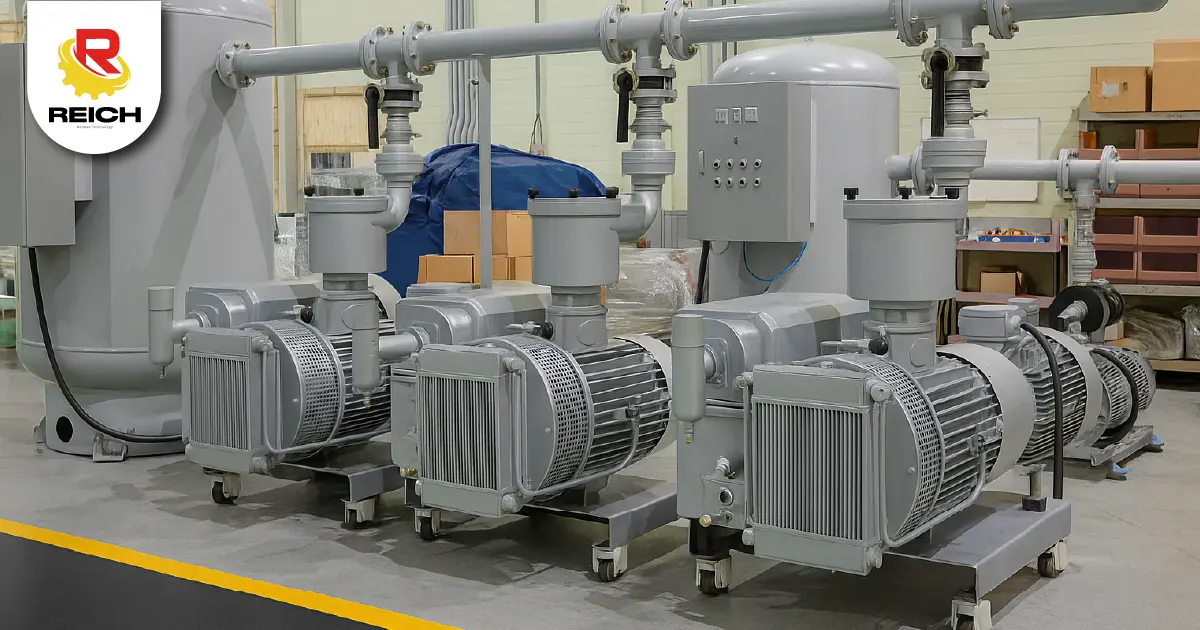
Industrial vacuum pumps are essential in multiple sectors such as food processing, pharmaceuticals, chemicals, healthcare, and manufacturing. However, their continuous operation often represents one of the largest electricity consumptions in a plant.
Energy efficiency is no longer just an option—it is a necessity to reduce costs, improve competitiveness, and move towards sustainability. In this article, you will discover how to optimize vacuum pump energy consumption and achieve significant savings in your operation.
Why Do Vacuum Pumps Consume So Much Energy?
Before applying optimization strategies, it’s important to understand the factors that increase energy usage:
Oversized equipment: A pump that is too large for the application consumes unnecessary power.
Outdated technology: Older pumps lack modern energy-efficient systems.
Poor maintenance: Clogged filters, contaminated oil, or worn parts force the motor to work harder.
Operation outside recommended parameters: Running at incorrect flow rates, pressures, or temperatures reduces efficiency.
According to industry studies, a poorly managed vacuum pump can increase a plant’s energy consumption by up to 25%.
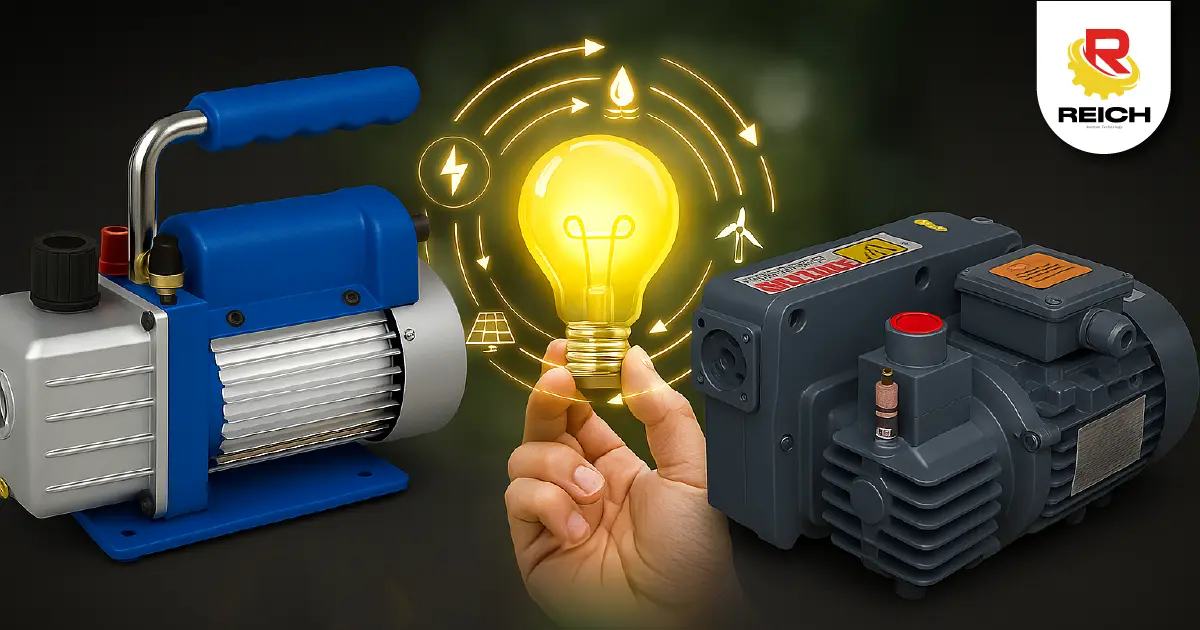
Strategies to Reduce Vacuum Pump Energy Consumption
Improving energy efficiency in vacuum pumps is possible through smart changes in operation, maintenance, and technology.
1. Proper Equipment Selection
Incorrect pump sizing can drive up energy costs. Conducting a real vacuum demand analysis for each process is the first step to ensure the right capacity.
2. Optimize Recirculation in Liquid Ring Vacuum Pumps
Incorrect pump sizing can drive up energy costs. Conducting a real vacuum demand analysis for each process is the first step to ensure the right capacity.
3. Implement Preventive Maintenance Plans
Regular maintenance is essential to maintain efficiency. Cleaning or replacing filters, changing oil in lubricated pumps, and calibrating components reduce motor stress and extend equipment lifespan.
4. Upgrade to Modern Technology
Dry vacuum pumps or new-generation models offer lower energy consumption, reduced downtime, and faster ROI by cutting operating costs.
Benefits of Optimizing Vacuum Pump Energy Efficiency
Direct energy cost savings
Efficient management can reduce electricity use by 20–40%, directly improving plant profitability.
Higher reliability and operational continuity
Well-maintained and optimized pumps work with less effort, minimizing failure risks and avoiding unplanned downtime.
Extended equipment lifespan
Operating under optimal conditions reduces wear on critical components, prolonging pump durability and lowering replacement costs.
Reduced environmental footprint
Lower electricity consumption means fewer CO₂ emissions, aligning operations with sustainability goals.
Improved business competitiveness
Companies that manage energy costs effectively can offer more competitive prices, comply with sustainability standards, and strengthen relationships with clients and stakeholders.
Vacuum pump energy consumption should not be seen as an unavoidable expense, but as an opportunity for savings and efficiency. With the right plan—including correct pump sizing, frequency inverters, preventive maintenance, and technology upgrades—your plant can reduce costs, operate more sustainably, and increase profitability.
We support companies in selecting, installing, and maintaining vacuum pump systems that guarantee maximum performance with minimum energy consumption.