Vacuum Pumps vs. Air Compressors: Key Differences, Applications, and Maintenance

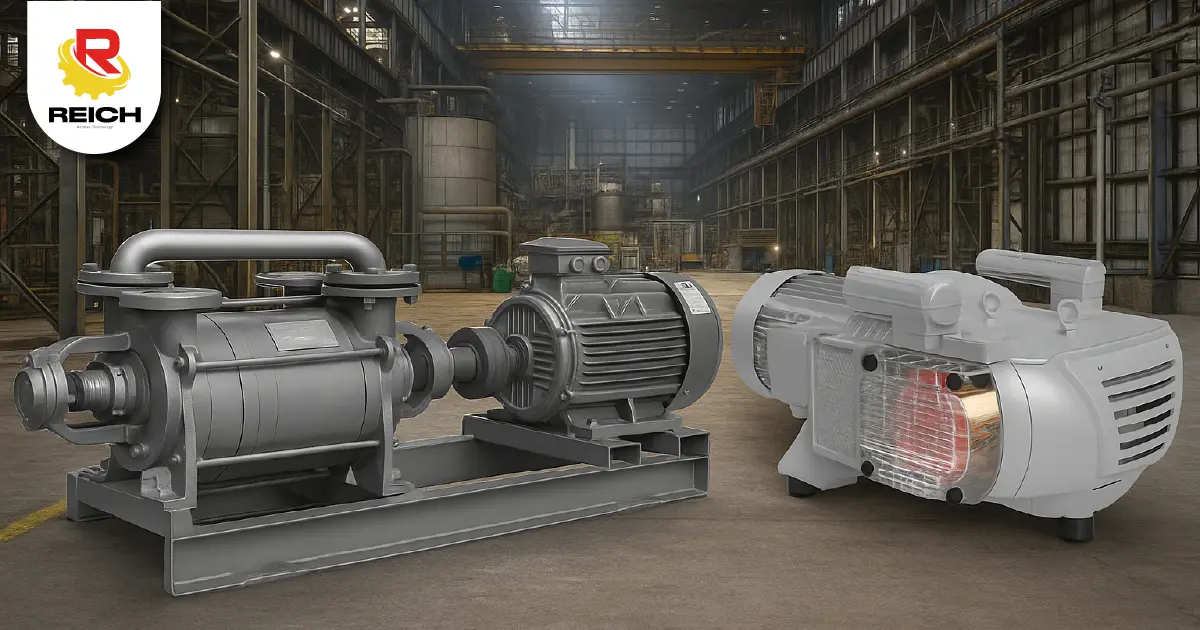
In the industrial world, it’s common to hear about vacuum pumps and air compressors as if they were similar machines. Both work with gases and pressure, but their functions are completely different.
Understanding these differences is crucial for selecting the right equipment, optimizing resources, and avoiding costly application mistakes.
Vacuum Pumps
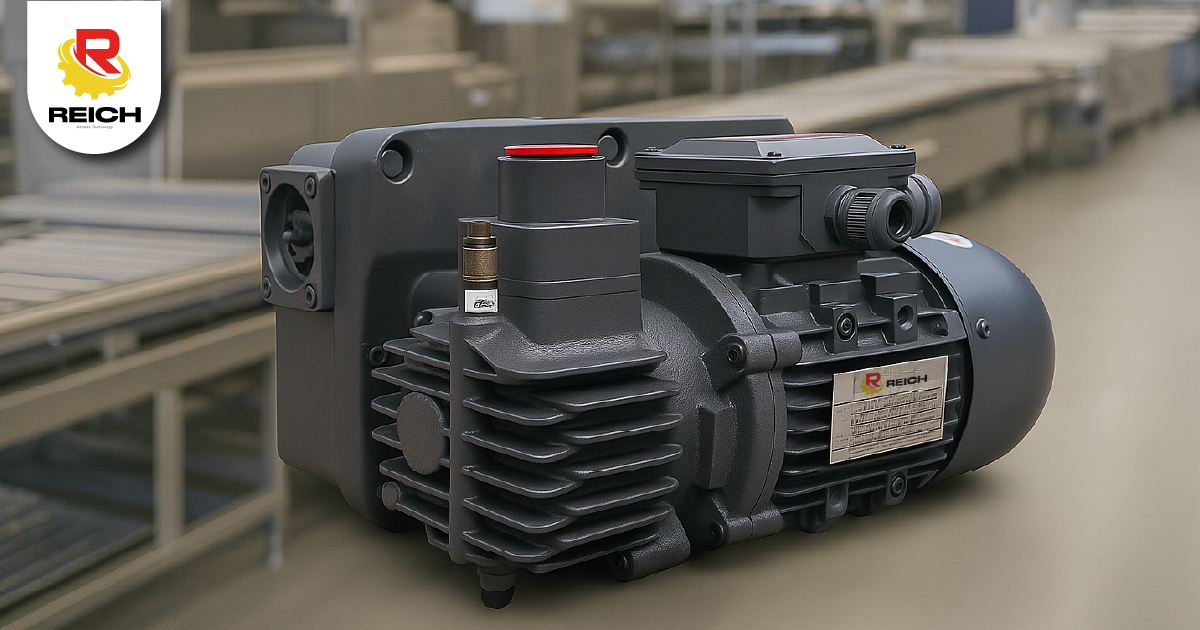
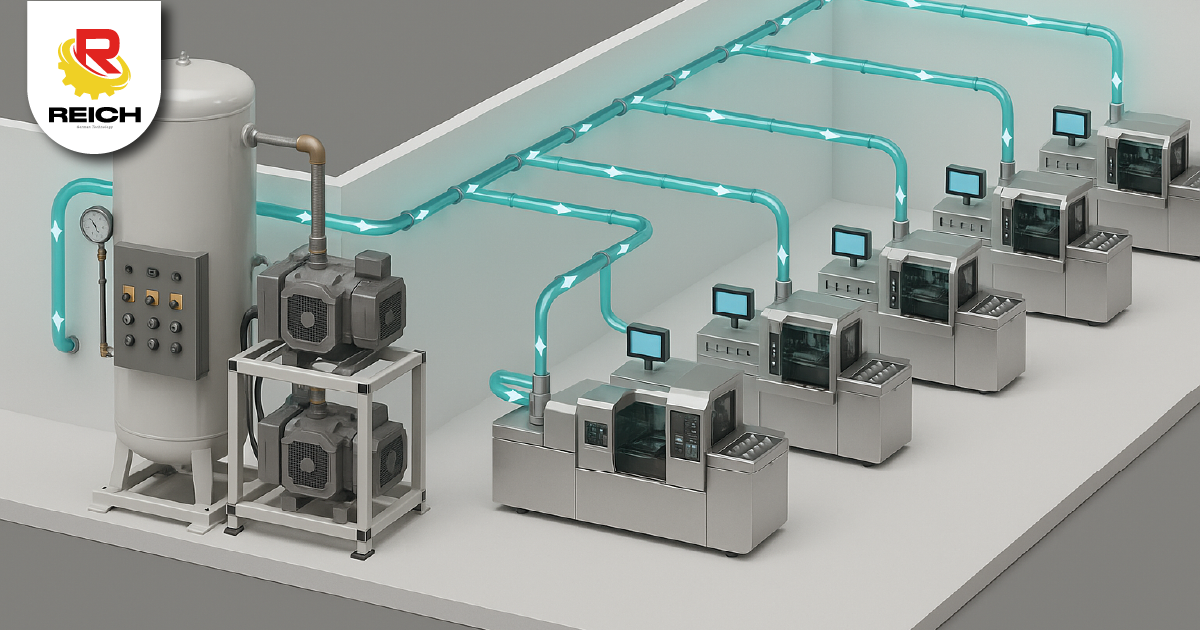
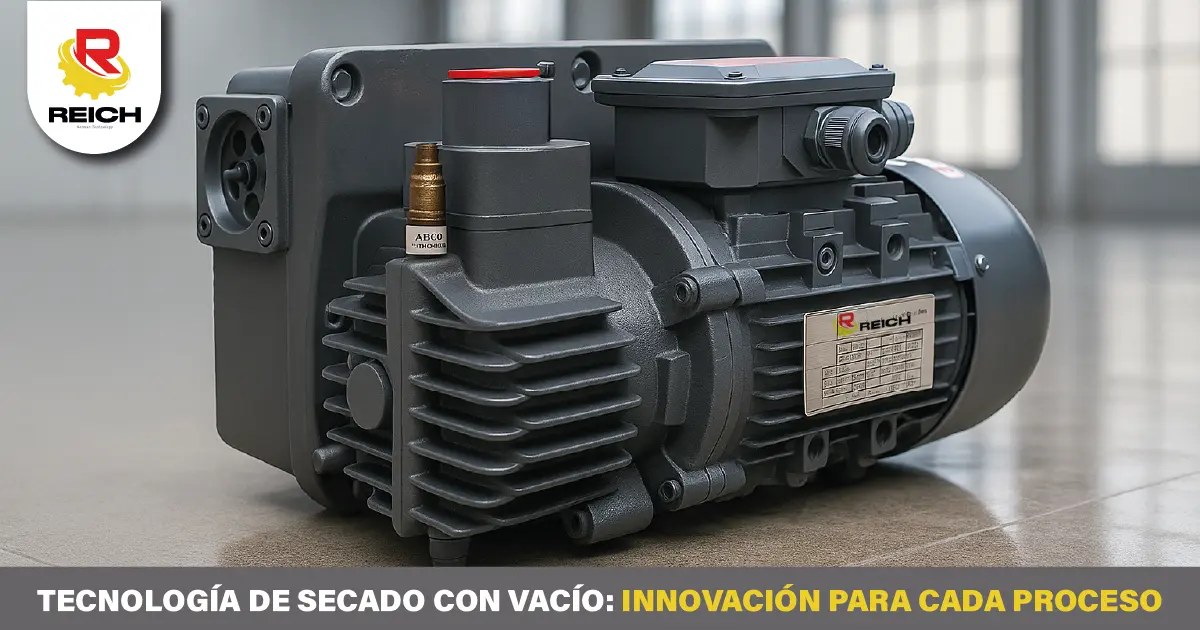
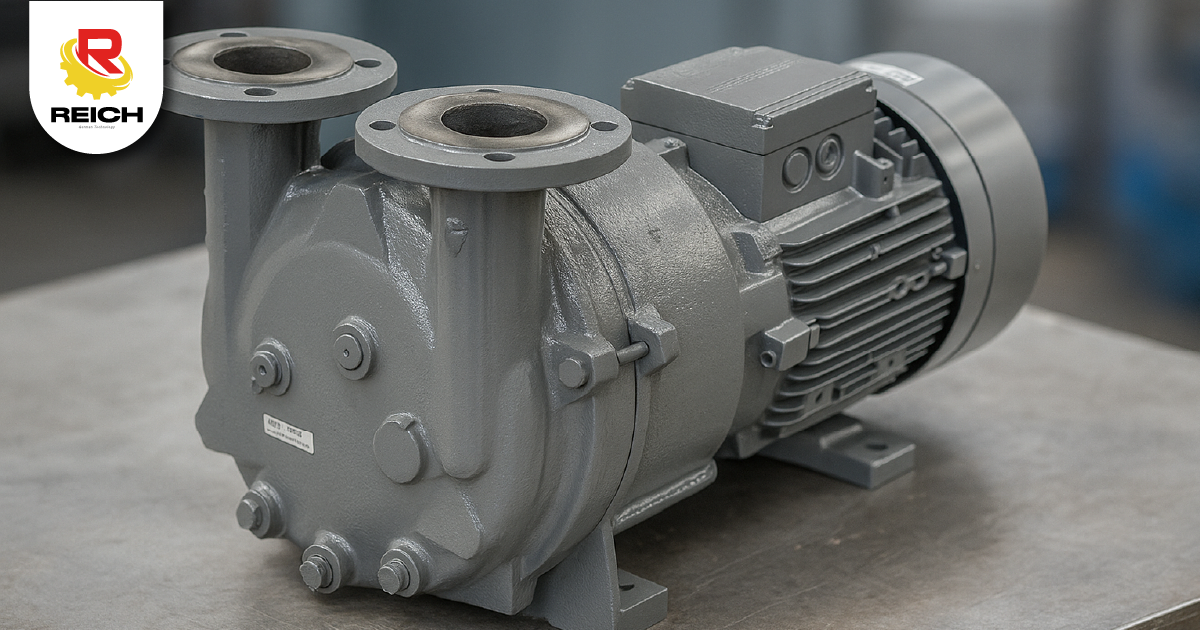
Vacuum pumps are designed to remove gas molecules from a sealed volume, reducing pressure until a vacuum level is achieved. They can operate across a wide range — from low vacuum (like in packaging) to high vacuum in scientific or medical applications.
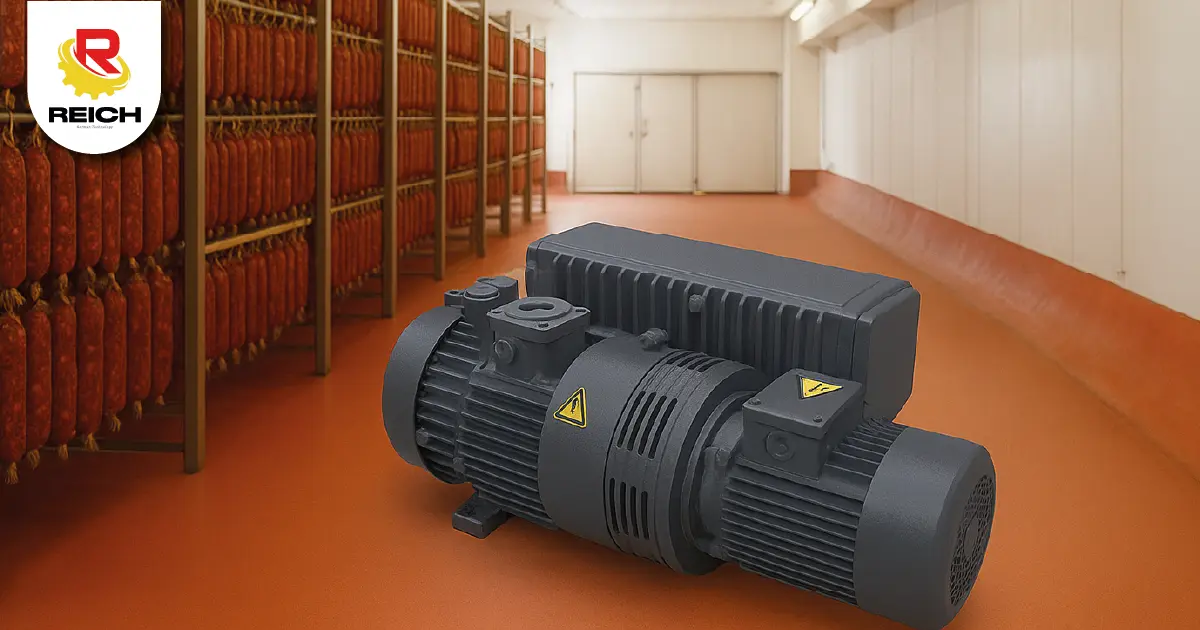
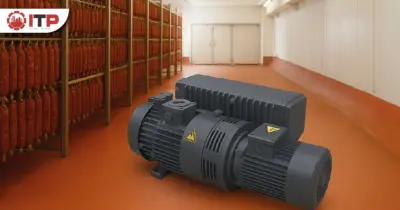
In a vacuum packaging machine for food, the pump extracts air from the package, extending the product’s shelf life.
Industrial Applications of Vacuum Pumps
Food industry: vacuum packaging, thermoforming of plastic trays.
Pharmaceutical and medical: sterilization, drug production, hospital vacuum systems.
Manufacturing and plastics: molding, laminating, resin degassing.
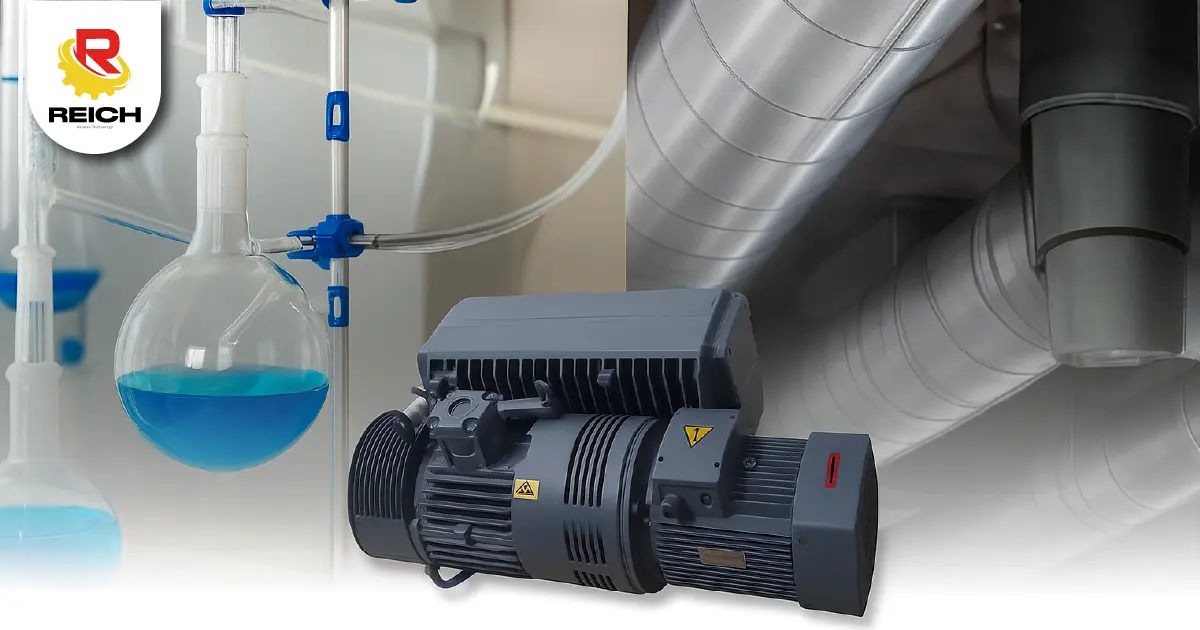
Energy and chemical: vacuum distillation, drying, and filtration processes.
Energy Requirements
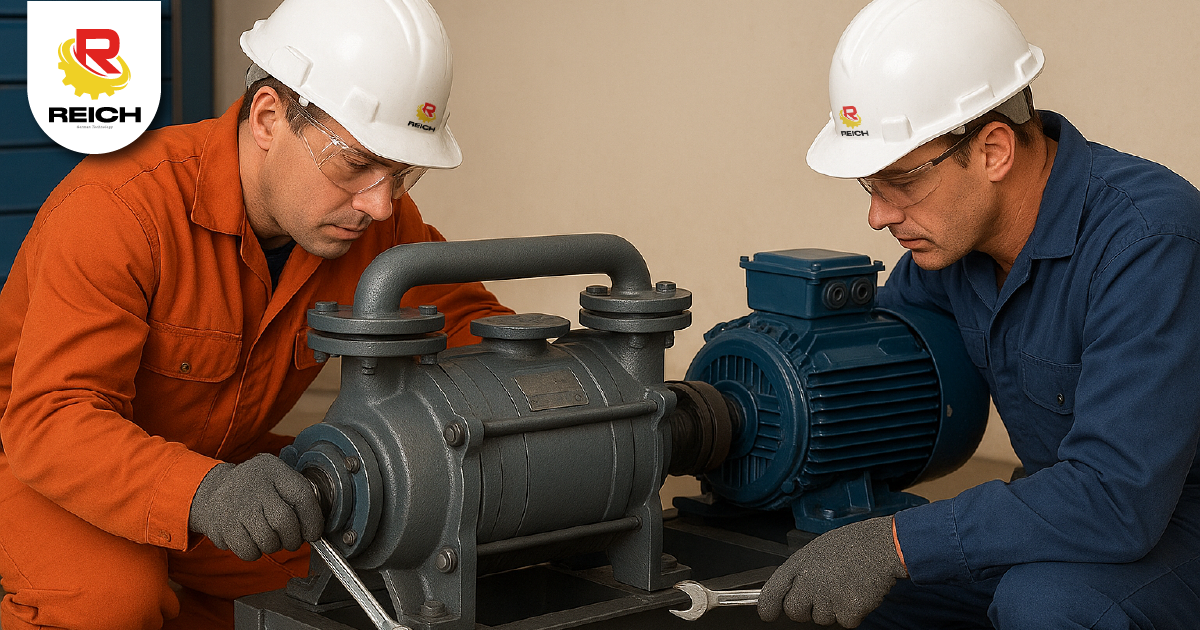
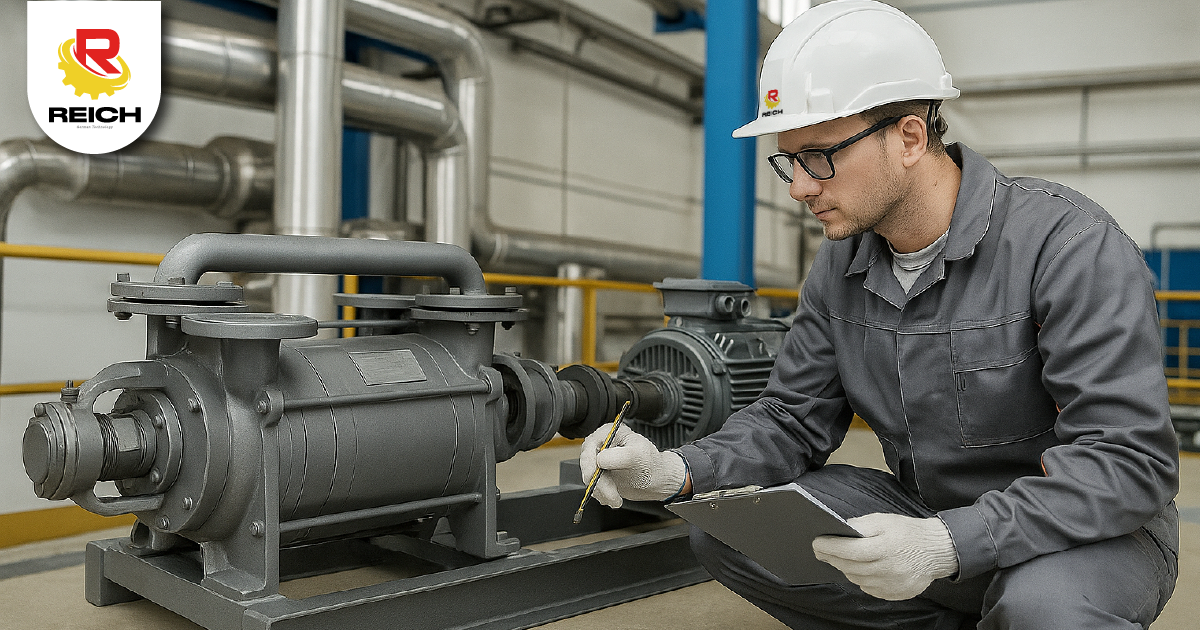
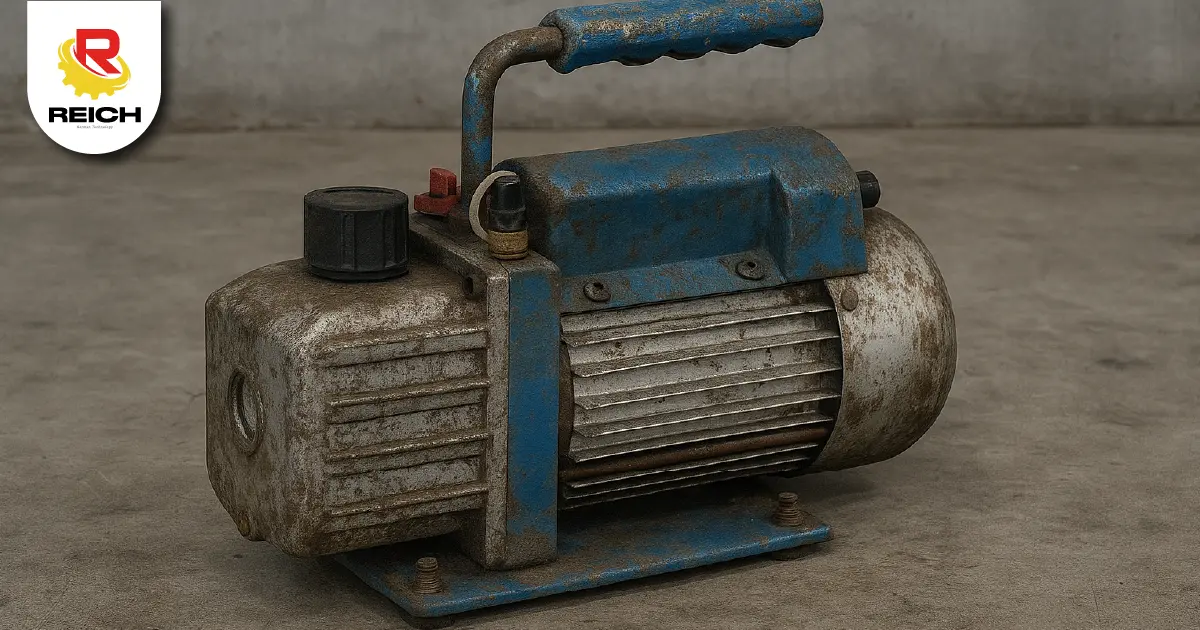
- Lubricated models: require regular oil changes, as oil not only lubricates but also seals and cools the unit.
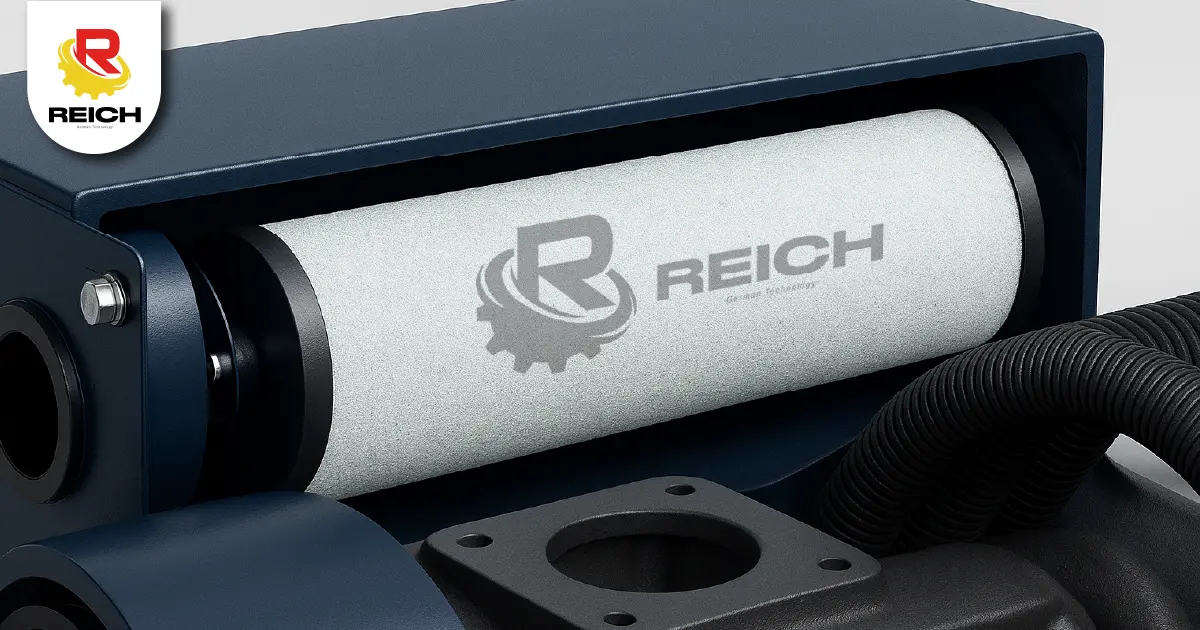
- Filters: cleaning and replacing filters prevents particle buildup that can damage the rotor or reduce performance.
- Leak checks: even minor leaks in vacuum lines force pumps to overwork, increasing energy consumption and wear.
- Liquid ring pumps: water circulation and temperature must be monitored carefully to prevent cavitation and premature damage.
Air Compressors
Air compressors, on the other hand, take in air or gas from the environment, compress it, and send it to a tank or distribution line. The goal is to increase pressure to power tools or industrial processes.
In an auto repair shop, a compressor supplies compressed air to pneumatic tools such as impact wrenches and spray paint systems.
Industrial Applications of Air Compressors
Automotive and workshops: pneumatic tools, tire inflation.
Manufacturing: automation systems and robotics powered by compressed air.
Construction: jackhammers, sandblasting, industrial painting.
Chemical industry: pneumatic transport of materials, valve control.
Energy Requirements
Compressors often have high energy peaks, especially in large-capacity or high-pressure systems.
Maintenance Best Practices
- Lubrication: oil levels must be checked frequently, since friction under high pressure can damage internal components.
- Filters and separators: must be cleaned to ensure air quality and reduce motor strain.
- Condensate drainage: tanks should be drained regularly to prevent corrosion and ensure dry air supply.
- Belts, valves, cooling systems: require periodic inspection to maintain reliability and extend service life.
Costs and Service Life
Vacuum pumps: When properly maintained, they can operate continuously for over 10 years. Although initial investment can be higher, they offer stable performance and energy efficiency in specialized applications.
Air compressors: Also durable but often require more frequent servicing due to the higher stress of working with pressure and flow.

While they may look similar, vacuum pumps and air compressors have completely different purposes:
- A vacuum pump removes air or gases from a closed system.
- An air compressor supplies pressurized air for tools and processes.
Choosing the right equipment depends on your process needs.
At Industria Techni Perú, we help you select, install, and maintain the ideal solution for your operation — optimizing costs and ensuring energy efficiency.
Vacuum pump energy consumption should not be seen as an unavoidable expense, but as an opportunity for savings and efficiency. With the right plan—including correct pump sizing, frequency inverters, preventive maintenance, and technology upgrades—your plant can reduce costs, operate more sustainably, and increase profitability.
We support companies in selecting, installing, and maintaining vacuum pump systems that guarantee maximum performance with minimum energy consumption.