Common Mistakes That Shorten the Lifespan of Vacuum Pumps (and How to Avoid Them)

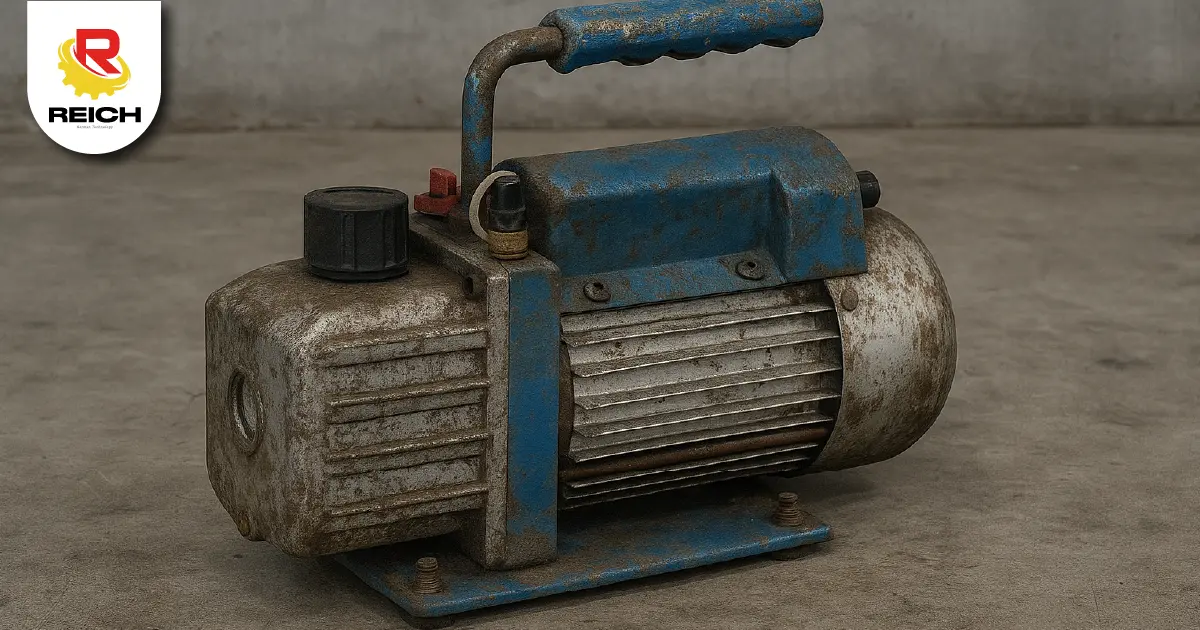
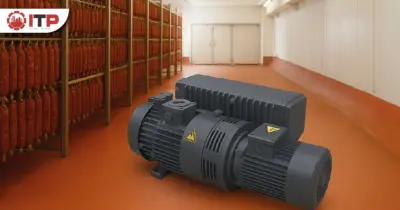
Vacuum pumps are essential equipment across multiple industries: from food production to medicine and manufacturing. However, improper use or lack of basic care can drastically reduce their service life. In this article, we explain the most common mistakes and how to avoid them to keep your pump in optimal condition
1. Not performing preventive maintenance
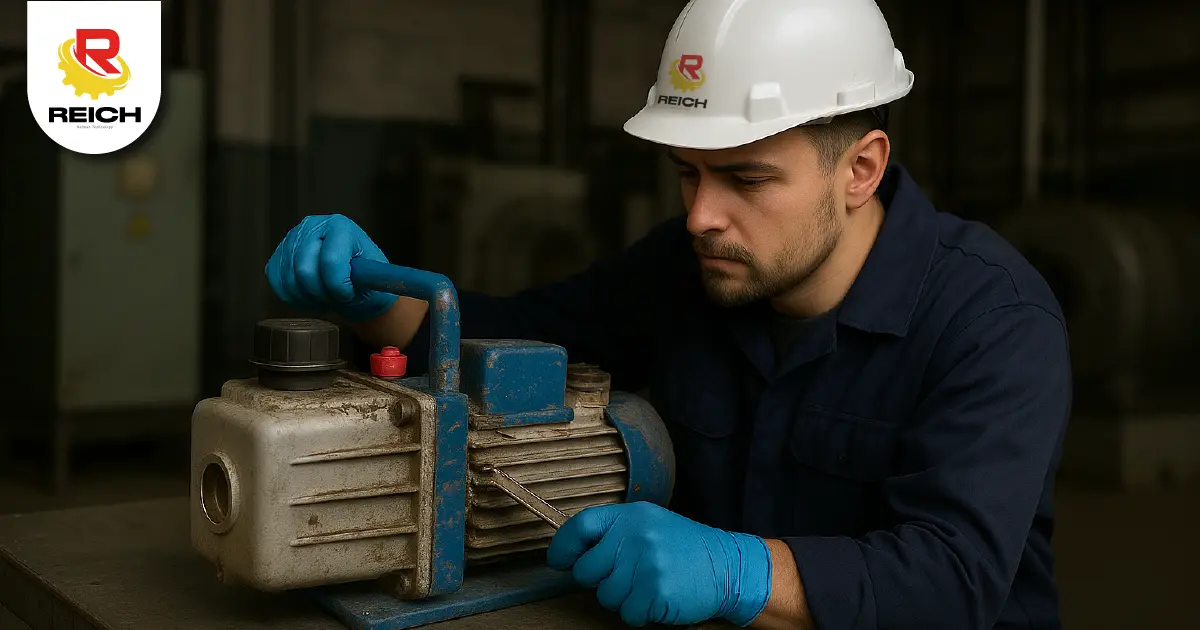
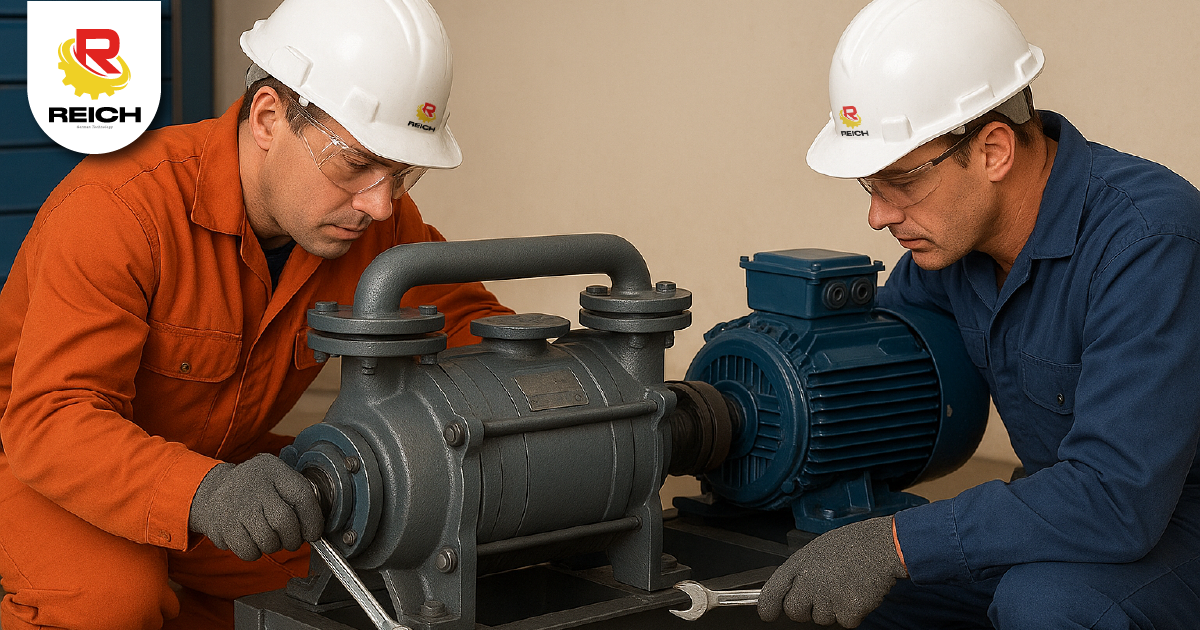
Many failures stem from the absence of regular inspections. Ignoring the maintenance schedule leads to accelerated wear and unexpected downtime.
2. Using inadequate or contaminated oil
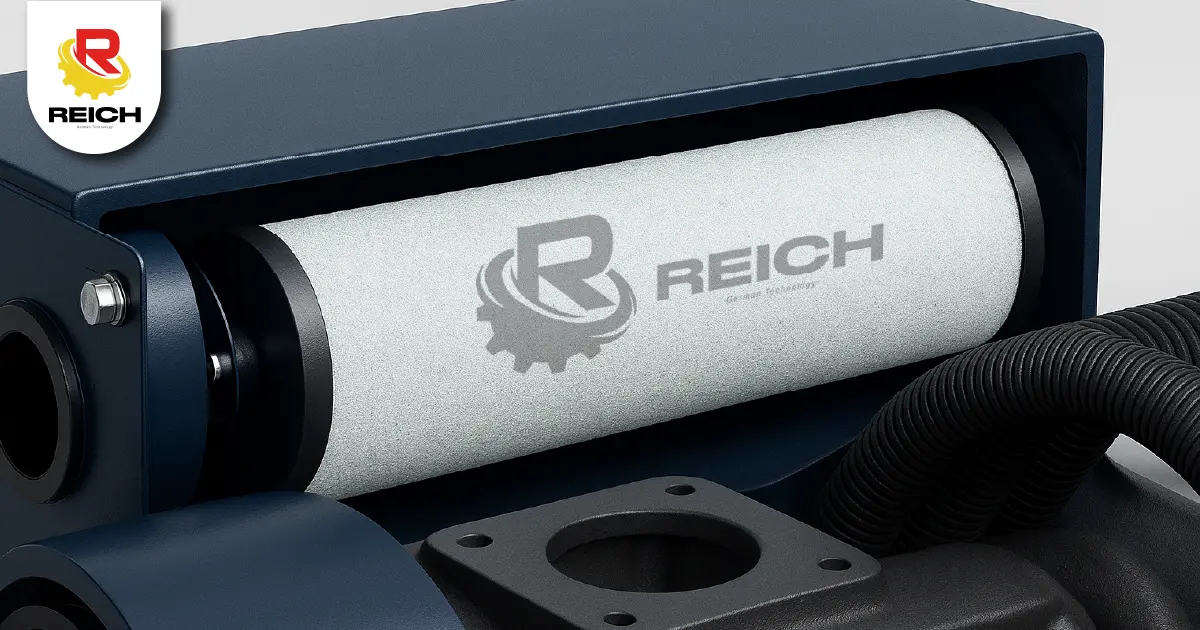
In lubricated pumps, using low-quality oil or failing to replace it on time affects sealing, lubrication, and efficiency.
3. Operating outside the recommended ranges
Running the pump at pressures, temperatures, or flow rates beyond specifications increases the risk of internal damage.
4. Lack of water recirculation control (in liquid ring pumps)
If water is not properly controlled, it can carry impurities and cause corrosion or cavitation.
5. Ignoring warning signs
Strange noises, unusual vibrations, or reduced performance are clear symptoms of potential failures.
The service life of a vacuum pump largely depends on proper use and maintenance. Avoiding these common mistakes not only extends operating time but also ensures efficiency, lower energy consumption, and cost reduction. At Reich, we help your equipment always perform at its best.